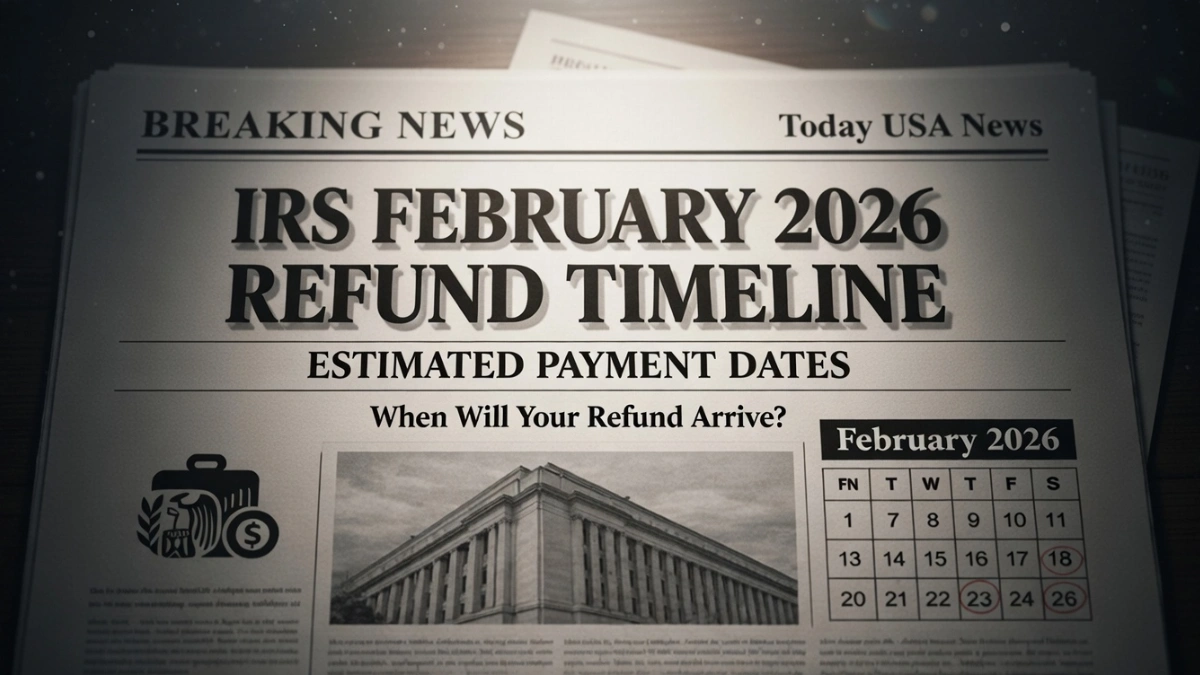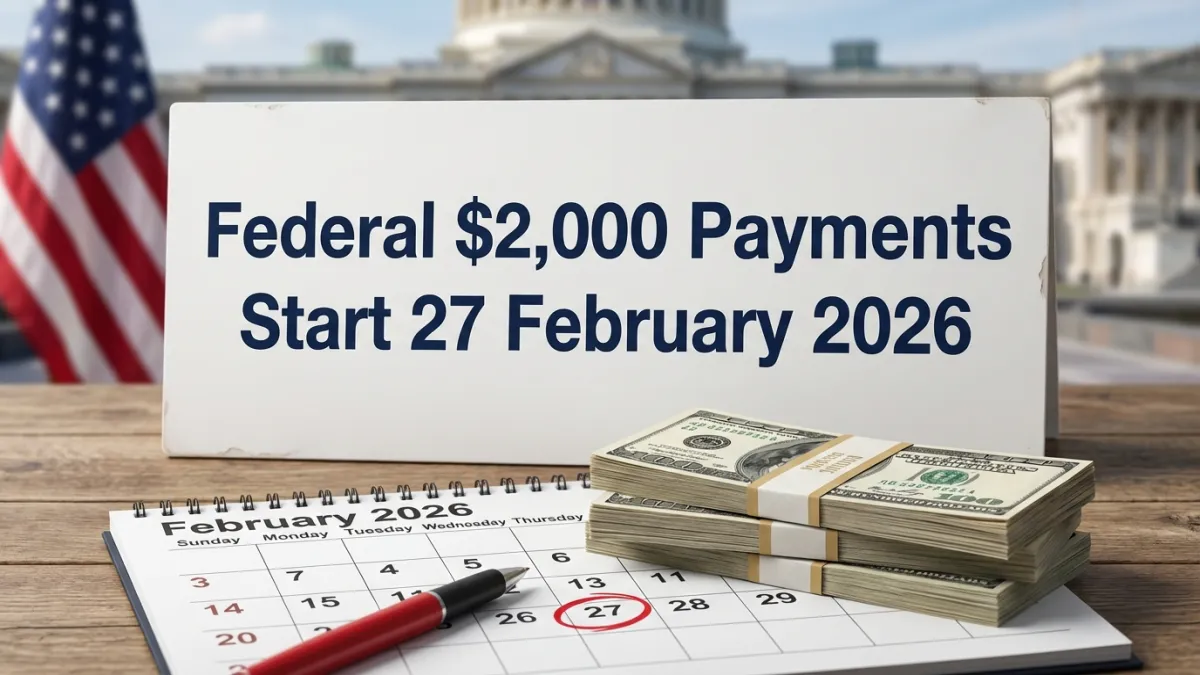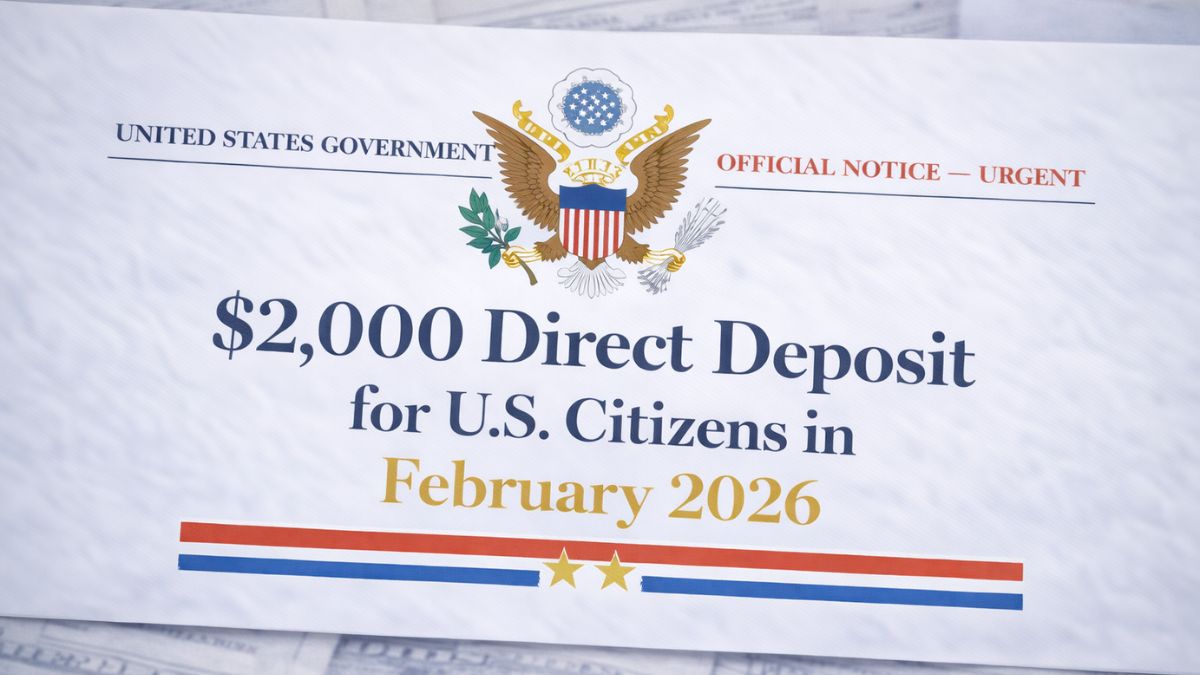
At the beginning of a new year, many Americans are working hard to balance rising living expenses, monthly bills, and long-term financial goals. Because of this, reports about a possible $2,000 direct deposit in February 2026 have drawn widespread attention. For families managing tight budgets, a payment of this size could help cover essential costs such as rent, groceries, utilities, or medical expenses. Even a single deposit can provide temporary relief when everyday expenses feel difficult to manage.
Who May Qualify for a Federal Payment
Eligibility for federal payments usually depends on income level, tax filing status, and participation in certain government benefit programs. While final approval always depends on official confirmation, programs of this type often include Social Security retirees, SSI and SSDI recipients, veterans receiving VA benefits, and low- to middle-income taxpayers. Some households with qualifying dependents may also be considered.
Income limits typically determine whether a person receives the full amount, a reduced payment, or no payment at all. Keeping tax information up to date is very important because most eligibility decisions are based on recent tax returns.

How Payments Are Usually Distributed
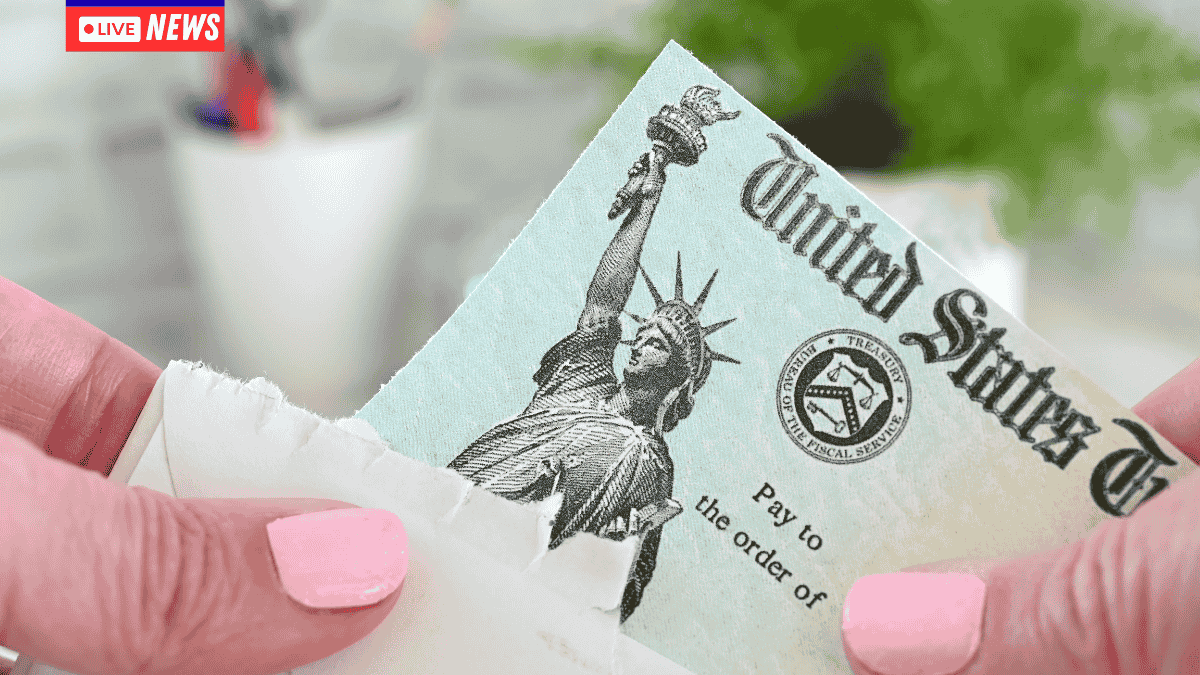
Federal payments are generally issued in stages rather than all at once. Early payments often go to individuals who already have direct deposit information on file. Additional payments may follow for those who recently updated their details. Paper checks or prepaid debit cards are commonly mailed later in the month to recipients without direct deposit.
Direct deposit remains the fastest method. Once processed, funds often appear in bank accounts within a few days.
Steps to Avoid Delays
There are simple actions that can help ensure smooth delivery. Filing the most recent tax return is one of the most important steps, even for individuals with low income. Confirming that bank account details are correct can prevent rejected deposits. Those receiving paper checks should make sure their mailing address is accurate. Many government agencies provide tracking tools that allow individuals to monitor payment status safely.

How Families May Use the Payment
Households often prioritize urgent expenses such as housing costs, utility bills, and groceries. Some may use the money to pay medical bills or reduce high-interest debt. Financial planners often recommend covering immediate needs first and saving a small portion for emergencies if possible.
For families living paycheck to paycheck, financial support offers more than just money. It can reduce stress and provide short-term stability during uncertain times.
If officially approved, a $2,000 direct deposit in February 2026 could offer meaningful assistance to many Americans. Staying informed and keeping records accurate are the best ways to be prepared.
Disclaimer: This article is for general informational purposes only and is based on publicly discussed proposals and typical federal payment processes. Payment approval, eligibility requirements, and timelines depend solely on official government announcements and may change at any time. Readers should verify details through authorized government sources before making financial decisions.